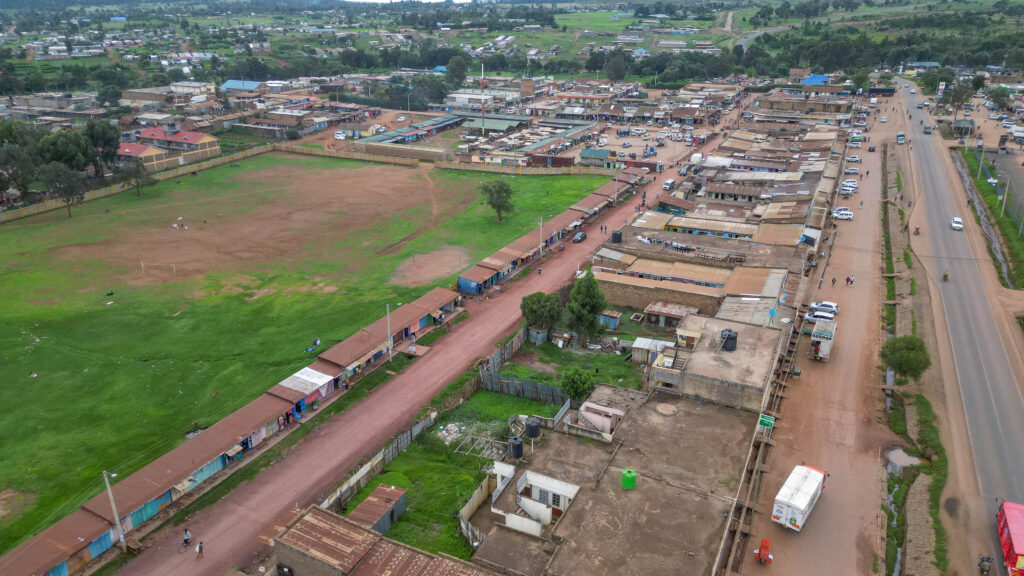
Shaping a Sustainable and Inclusive Future
At Timau Municipality, we are dedicated to creating a well-organized, sustainable, and inclusive community through our comprehensive Land Use Planning and Housing services. Our approach ensures that land resources are utilized efficiently, housing needs are met, and the overall quality of life for our residents is enhanced. We aim to balance growth with environmental stewardship, economic development, and social equity.
Key Areas of Focus:
1. Strategic Land Use Planning: Efficient land use planning is crucial for orderly development and the optimal utilization of resources. Our initiatives include:
- Comprehensive Zoning Plans: Implementing zoning regulations that designate specific areas for residential, commercial, industrial, and recreational uses. These plans ensure a balanced and functional community layout.
- Urban Growth Management: Developing strategies to manage urban expansion, prevent urban sprawl, and preserve open spaces and agricultural land. This includes promoting high-density development in designated areas.
- Environmental Conservation: Integrating environmental considerations into land use planning to protect natural habitats, water resources, and biodiversity. This includes creating green belts and buffer zones.
2. Affordable Housing Development: Providing safe and affordable housing is a top priority for Timau Municipality. Our efforts in this area focus on:
- Public Housing Projects: Developing and maintaining affordable housing units for low-income families, seniors, and individuals with disabilities. These projects aim to provide safe and decent living conditions for all residents.
- Incentives for Private Developers: Offering incentives such as tax breaks, grants, and expedited permitting processes to private developers who build affordable housing. This encourages the creation of mixed-income communities.
- Housing Subsidies and Assistance: Providing financial assistance and subsidies to help residents afford housing. This includes rental assistance programs and down payment support for first-time homebuyers.
3. Urban Renewal and Redevelopment: Revitalizing existing urban areas to improve livability and economic vitality is a key focus. Our initiatives include:
- Neighborhood Revitalization: Implementing programs to rehabilitate and upgrade aging infrastructure, public spaces, and housing in older neighborhoods. This enhances the quality of life and attracts investment.
- Brownfield Redevelopment: Transforming underutilized or contaminated sites into productive properties through cleanup and redevelopment efforts. This promotes sustainable land use and reduces environmental hazards.
- Historic Preservation: Preserving and restoring historic buildings and districts to maintain the cultural heritage and unique character of Timau. This includes providing support for property owners undertaking preservation projects.
4. Sustainable Development Practices: Promoting sustainable development is essential for long-term community resilience. Our strategies include:
- Green Building Standards: Encouraging the use of sustainable building practices and materials in all construction projects. This includes energy-efficient designs, renewable energy systems, and water conservation measures.
- Transit-Oriented Development (TOD): Fostering development around public transportation hubs to reduce reliance on private vehicles and promote walkability. This includes creating pedestrian-friendly streetscapes and mixed-use developments.
- Climate Resilience Planning: Implementing measures to enhance the community’s resilience to climate change impacts. This includes flood management, stormwater infrastructure, and urban forestry initiatives.
5. Community Engagement and Participation: Involving residents in the planning process ensures that development meets community needs and fosters a sense of ownership. Our efforts include:
- Public Consultations and Workshops: Organizing regular public meetings, consultations, and workshops to gather input and feedback from residents on land use and housing plans.
- Participatory Planning Processes: Encouraging active participation from all community stakeholders, including residents, businesses, and local organizations, in the decision-making process.
- Transparent Communication: Maintaining open and transparent communication channels to keep residents informed about planning initiatives, project timelines, and opportunities for involvement.
Impact and Benefits:
Our Land Use Planning and Housing services have a significant impact on the community, including:
- Enhanced Quality of Life: Well-planned land use and affordable housing improve living conditions, reduce congestion, and promote a healthy environment.
- Economic Growth: Efficient land use planning attracts businesses and investors, stimulates economic activity, and creates job opportunities.
- Social Equity: Providing affordable housing and engaging residents in the planning process ensures that all community members benefit from development.
- Environmental Sustainability: Sustainable development practices protect natural resources, reduce environmental impact, and enhance community resilience to climate change.
- Community Cohesion: Revitalized neighborhoods and inclusive planning processes foster a sense of community and belonging among residents.